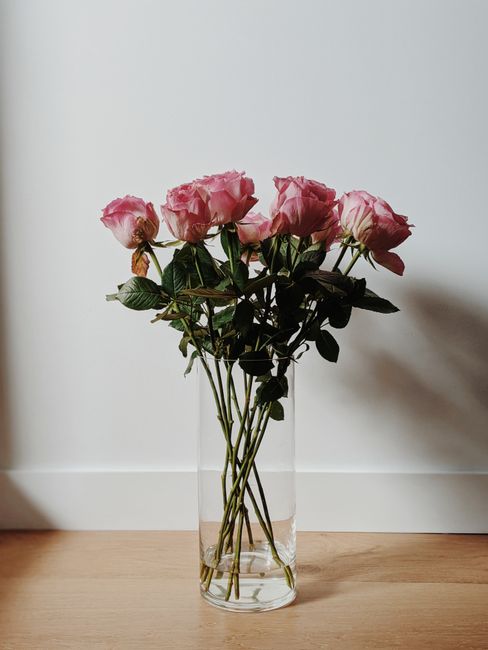
Vase care basics insider tips to extend cut flower life at home
Posted on 04/10/2026
Fresh flowers can transform a room in minutes. One good vase, a clean cut, and a few simple habits can make the difference between blooms that perk up for days and blooms that droop by Thursday afternoon. If you've ever brought home a beautiful bunch, admired it on the kitchen table, and then watched the water turn cloudy far too quickly, you're in the right place. This guide on Vase care basics insider tips to extend cut flower life at home is built for real homes, real routines, and the kind of care that actually sticks.
You do not need a florist's workshop to get better results. You just need a few reliable basics, a bit of timing, and a sensible approach to water, vase hygiene, and flower handling. Let's face it, most people lose flower life through tiny avoidable mistakes, not some grand failure. A slightly dirty vase, a blunt cut stem, a sunny windowsill, and the whole display ages faster than it should. Small things. Big impact.
In this article, you'll learn how vase care works, what matters most, which tools help, common mistakes to avoid, and a practical routine you can use at home. There's also a checklist, a comparison table, and answers to the questions people actually ask when they want cut flowers to last longer.
Table of Contents
- Why vase care basics matter
- How vase care extends cut flower life
- Key benefits and practical advantages
- Who this is for and when it makes sense
- Step-by-step guidance
- Expert tips for better results
- Common mistakes to avoid
- Tools, resources and recommendations
- Law, compliance, standards, or best practice
- Options, methods, or comparison table
- Case study or real-world example
- Practical checklist
- Conclusion
- Frequently asked questions
Why Vase care basics insider tips to extend cut flower life at home Matters
When people think about flower longevity, they often focus on the bouquet itself. Fair enough. The variety, freshness, and quality of the stems do matter. But vase care is the quiet half of the story. Once flowers are cut, they depend entirely on the environment you give them: water quality, cleanliness, stem support, room temperature, and how often you refresh things.
That is why vase care basics are not just "nice to know". They are the practical foundation for getting more value, more beauty, and more time from every bunch. A well-kept vase slows bacterial growth, helps stems drink properly, and keeps petals from collapsing early. In a busy house, that can mean the difference between enjoying flowers over a long weekend and binning them after two days.
It also matters emotionally. Flowers are often bought for birthdays, apologies, new babies, anniversaries, sympathy, or simply to brighten a grey week. When those flowers last, the gesture lasts too. You notice it every time you walk past the table and the arrangement still looks fresh in the morning light.
There's a practical side as well. If you regularly order from a florist such as flower care guidance, learning basic vase care can help protect your spend. Even a modest bunch can look far more premium with the right aftercare. And if you choose an arrangement like flowers in a vase, the same principles still apply once it arrives home.
How Vase care basics insider tips to extend cut flower life at home Works
Cut flowers keep living after they're harvested, but they do so in a limited way. They lose their root system, so the stem becomes the flower's water supply line. That supply line needs to stay open. It also needs to stay clean. Once bacteria build up in the vase water or at the cut end of the stem, flow is reduced and the flowers wilt sooner.
Here's the simple version: clean vase, fresh cut, fresh water, correct food dose if provided, and a cool, stable location. Everything else supports those four things.
When stems sit in dirty water, the bacteria multiply quickly, especially in warm rooms. The water can look harmless, but the stem ends may already be blocked. Roses, lilies, tulips, chrysanthemums, alstroemeria, and mixed florist arrangements all benefit from this same basic logic, though some varieties are fussier than others.
Vase care also works by managing stress. Flowers dislike sudden heat, bright direct sun, fruit bowls, radiators, draughts, and being jammed too tightly together. The less stress they face, the longer they tend to hold shape and colour. A little like us, really. Nobody blooms on a windy windowsill with no water and poor sleep.
In practical terms, the process is less about one magic trick and more about consistency. If you refresh the vase water regularly and remove aging foliage before it decays, you slow the whole decline. That is the real insider tip: tiny repeat actions beat one dramatic rescue attempt.
Key Benefits and Practical Advantages
Good vase care pays off in several ways, and not all of them are obvious at first glance.
- Longer display life: flowers stay attractive for more days, sometimes noticeably more if you are disciplined with water changes and stem trims.
- Better appearance: clean water and tidy stems keep arrangements looking crisp rather than tired or cloudy.
- Less waste: you throw away fewer flowers prematurely, which is better for your wallet and, frankly, more satisfying.
- Reduced smell and slime: proper hygiene helps prevent the stale vase smell that can creep in after a day or two.
- More reliable gifting: if you're sending flowers for a birthday, thank you, or condolence, longer life means the gift stays meaningful.
- Improved flower performance: some flowers, such as roses or lilies, open more gracefully when they have clean water and space.
There is also a small but real aesthetic advantage. A well-managed vase helps the whole room feel calmer. The water stays clear, the stems look neat, and the flowers sit better. You can spot the difference immediately when you compare it with a vase that has been left untouched for several days.
If you buy seasonal arrangements or a bouquet from a category like best sellers, you want the flowers to look like they did when first delivered. Vase care helps preserve that first impression. And if the bouquet is for a special occasion, that matters even more.
Who This Is For and When It Makes Sense
This advice is for anyone who keeps fresh flowers at home, but it is especially useful if you:
- buy flowers regularly for the kitchen, hallway, or dining table
- receive florist deliveries and want them to last longer
- host guests and want a home to feel fresh without constant replacements
- send flowers to family members and want better post-delivery results
- buy a lot of cut flowers around birthdays, anniversaries, or seasonal occasions
- have noticed that some blooms die much faster than expected
It also makes sense if you live in a warm flat, use central heating a lot, or keep flowers near fruit, direct sun, or a radiator. In those settings, vase care matters even more because the environment is less forgiving.
Truth be told, some people only start paying attention after a disappointing bunch. That's normal. A bouquet that droops after 48 hours feels like a wasted treat. But once you understand the routine, it becomes second nature. You fill the kettle, rinse the vase, snip the stems, and carry on with your day.
If you often send flowers through services such as send flowers or choose local delivery from florist Ware SG11, having a simple home-care routine is a smart next step. The delivery is only part of the experience. What happens in the vase is where the lifespan is won or lost.
Step-by-Step Guidance
Here is the practical routine we recommend for most home flower arrangements. It is straightforward, but the order matters.
1) Start with a properly cleaned vase
Wash the vase with hot soapy water and rinse it well. If the vase has a narrow neck, pay attention to the inside rim and base. Old residue is often the problem, not the visible waterline. A spotless vase makes a bigger difference than people expect.
Use a clean tea towel or paper towel to dry it, or at least make sure there is no film left behind. If you ever notice cloudy water turning sour quickly, the vase itself may be the culprit.
2) Fill with fresh water at the right level
Most mixed bouquets do well with water covering the lower portion of the stems without drowning the foliage. The exact depth depends on the flowers, but the general idea is simple: enough water to support the stems, not so much that leaves sit underwater and decay.
For woody stems or roses, deeper water is often helpful. For tulips and some delicate spring flowers, a moderate level is usually better. If the florist has included flower food, use it according to the packet instructions rather than guessing. A bit too much food can be counterproductive. More is not always better. Annoying, but true.
3) Re-cut the stems
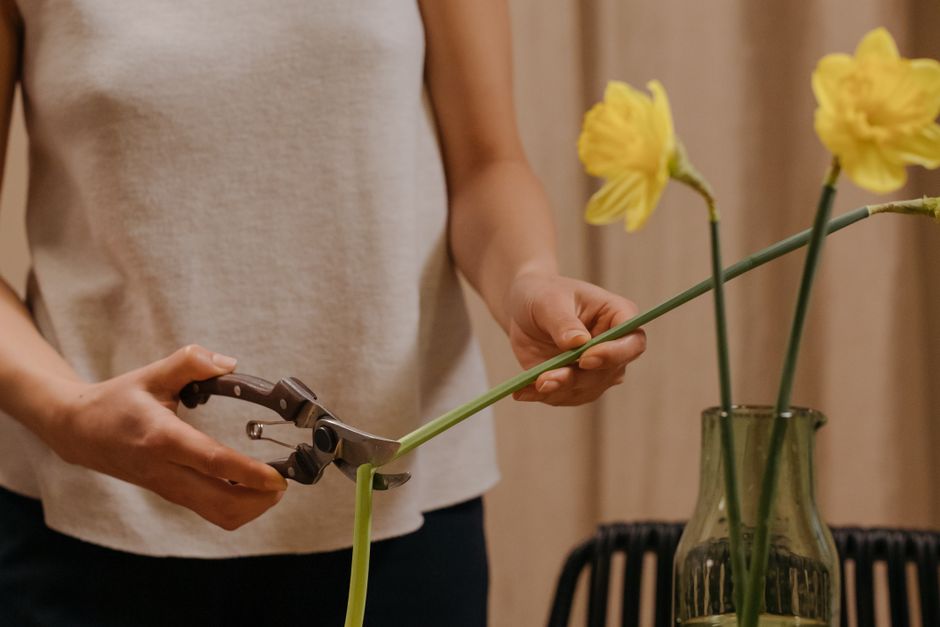
Cut 1-2 cm from each stem at an angle using a sharp, clean knife or florist scissors. The angled cut increases the surface area for water uptake and helps stop the stem from sitting flat against the vase base. Cut under running water if you can, or at least place the stems straight into water immediately after cutting.
This step matters most for flowers that have been out of water for a while. Even a short dry spell can create a tiny blockage at the stem end.
4) Remove lower leaves and bruised petals
Any leaves that would sit below the waterline should come off. They rot quickly and feed bacteria. Remove petals that are already damaged as well. A little housekeeping at this stage keeps the vase healthier for longer.
With fuller arrangements, this can feel fiddly. It's worth it. A minute spent now often buys you an extra day or two later.
5) Arrange with breathing room
Do not overcrowd the vase. Stems need space for air and water circulation. If flowers are too tightly packed, the outer petals bruise, heads bend awkwardly, and the arrangement deteriorates faster. A vase should support the bouquet, not squeeze it like a sandwich.
6) Place the vase in the right spot
A cool room is best. Keep flowers away from direct sun, heaters, televisions that give off heat, fruit bowls, and draughty doorways. In the evening, when the room cools down, you may notice the flowers looking a little perkier. That is normal.
If your home is warm, moving flowers a few feet can make a meaningful difference. Small move, big effect.
7) Refresh the water regularly
Change the water every one to two days if you can, especially in warmer weather or with thirstier flowers. Rinse the vase before refilling. If the stems are slimy or the water smells off, trim the stems again before putting them back.
This part is not glamorous. It's the washing-up of flower care. But it is the heart of the process.
8) Watch for the first signs of decline
When petals begin to collapse, foliage turns soft, or the water clouds quickly, act quickly. Remove fading stems before they affect the rest. In mixed arrangements, one tired bloom can drag down the whole display.
Expert Tips for Better Results
Once you've got the basics sorted, the extra gains come from timing, flower-specific handling, and a bit of observation. Nothing fancy. Just thoughtful routine.
- Use very clean tools: a blunt or dirty blade can crush stems and introduce bacteria. Sharp is kinder.
- Check the bouquet after transport: if flowers have travelled in warm weather, give them a rest in cool water as soon as possible.
- Re-trim after two or three days: this helps reopen stems that may have sealed or clogged.
- Keep foliage out of the water: leaves underwater decay quickly, and that decay shortens vase life.
- Choose a vase that suits the bouquet: tall stems need support, loose arrangements need space, and heavy-headed flowers need a stable base.
- Rotate the vase: if one side faces a brighter room or window, a quick turn can help the bouquet age more evenly.
- Separate highly thirsty stems if needed: some flowers perform better in a vase with similar companions rather than an overcrowded mixed bunch.
One useful insider habit is to treat the first hour after delivery as setup time, not decoration time. Don't just dump the flowers in water and walk away. A few careful minutes at the start can improve the whole week. You'll see it in the stems. They stand up better, they open more cleanly, and the whole bunch feels more alive.
Another small thing: if the bouquet includes different flower types, expect different lifespans. That is perfectly normal. Not every stem ages at the same pace, and some are naturally shorter-lived. A mixed bouquet might still look beautiful even as a few elements fade, provided you remove the tired ones in time.
Common Mistakes to Avoid
Most flower disappointment comes from habits that seem harmless. Here are the big ones.
- Leaving the vase unwashed: old residue and bacteria shorten the life of fresh stems fast.
- Using dirty tap water plus old water: topping up cloudy water without a full change rarely solves the problem.
- Keeping leaves below the waterline: this is one of the quickest ways to encourage smell and decay.
- Putting flowers by a heater or in strong sun: heat speeds up dehydration and petal drop.
- Using blunt scissors or tearing stems: damaged stems struggle to draw water properly.
- Overcrowding the vase: lack of space can bruise flowers and reduce airflow.
- Ignoring a fading stem: one bad stem can spoil the rest if left too long.
A subtle mistake people make is assuming every bouquet needs the same treatment. Not quite. A sturdy bunch of chrysanthemums, for example, may behave differently from tulips or roses. Still, the fundamentals remain the same: cleanliness, hydration, freshness, and cool placement.
And no, adding random household products to the water is not some secret florist trick. It is usually just guesswork. Better to use proper flower food if supplied, or plain fresh water and good hygiene than to experiment wildly.
Tools, Resources and Recommendations
You do not need a long shopping list to improve vase life. A few basic tools will do most of the work.
| Item | Why it helps | What to look for |
|---|---|---|
| Clean vase | Reduces bacteria and cloudy water | Simple shape, easy to wash, stable base |
| Sharp scissors or floral knife | Creates cleaner stem cuts | Comfortable grip, clean blade, used only for flowers if possible |
| Flower food | Supports hydration and limits bacterial growth | Use as directed, and do not overdo it |
| Measuring jug | Helps with consistent water changes | Handy for vase refills |
| Soft cloth or sponge | Makes vase washing easier | Non-abrasive, reaches the base |
If you regularly buy a ready-made bouquet, it can also help to choose flowers known for good vase performance. Categories like luxury flowers or classic mixed stems may include varieties that are chosen for visual impact and staying power. If you want something more specific, flowers such as roses or lilies can be excellent, provided you give them the care they need.
For those who often receive flowers in different contexts, the product category can matter too. A gift from birthday flowers may be selected for colour and impact, while a more understated bouquet like any occasion flowers is often aimed at everyday versatility. Either way, the care routine at home stays broadly the same.
In our experience, a small bottle brush or vase brush is underrated. Narrow vases collect gunk in the base, and if you cannot see or reach the bottom properly, you are never really cleaning it. That little tool can save a lot of bother.
Law, Compliance, Standards, or Best Practice
For home flower care, there is usually no special legal framework to worry about. This is more about best practice than compliance. Still, if you are buying flowers from a florist or delivering them as part of a business, a few sensible standards matter.
First, clear care instructions are a good sign of a professional florist. They help customers keep flowers fresh and reduce confusion. Secondly, if flowers are delivered with packaging, try to follow the handling guidance provided by the seller rather than stripping everything off immediately. Some arrangements travel better in their wrapping and need a short settling period before full display.
For businesses or venues using cut flowers regularly, hygienic handling is the same principle as in any food-adjacent or hospitality setting: clean containers, fresh water, prompt removal of waste, and safe storage away from heat sources. No need to overcomplicate it.
If you are dealing with flowers for a memorial, wedding, or event, sensible handling is especially important because the timing matters. For example, arrangements from funeral flowers, wedding flowers, or other occasion-specific collections may need to look their best at a fixed time. Good vase care protects that presentation.
One more practical note: in shared spaces, keep vase water out of reach of small children and pets where appropriate. Not because the water itself is typically dramatic, but because toppled vases, broken glass, and spilled stems can become a mess quickly. The usual household common sense applies.
Options, Methods, or Comparison Table
There is no single "best" method for every bouquet, but some approaches work better than others depending on your goals. Here's a simple comparison.
| Method | Pros | Cons | Best for |
|---|---|---|---|
| Plain water only | Simple, easy, no extra materials | Needs more frequent changes | Quick display, short-term enjoyment |
| Water plus flower food | Usually supports longer life and clearer water | Must be dosed correctly | Most home bouquets |
| Daily top-ups only | Convenient | Does not remove bacteria or debris | Emergency only, not ideal long-term |
| Full water change every 1-2 days | Best hygiene, better longevity | Takes a bit more effort | Anyone wanting maximum vase life |
For most households, the best balance is fresh water, clean vase, and regular stem maintenance. That wins more often than any elaborate hack. If you are especially fond of one bouquet and want the longest possible display, the fuller refresh routine is worth it.
Different flowers also reward different handling. A sturdy bouquet like roses may benefit from deep hydration and frequent trimming, while tulips often do better with cool water and a little more room. Seasonal bunches such as summer flowers may need closer monitoring in hot rooms. Simple idea, but useful.
Case Study or Real-World Example
A customer brings home a mixed bouquet after a Friday delivery. Beautiful arrangement, lovely scent, but by Sunday afternoon a few stems are already leaning and the water looks a bit hazy. Nothing catastrophic, just the usual slowdown.
Instead of leaving it be, they do three things: wash the vase, trim the stems, and remove the leaves below the waterline. They refill with fresh water, place the vase away from the kitchen window, and change the water again on Monday morning. By Tuesday, the bouquet still looks good enough to sit through a family dinner without anyone feeling they should quietly hide it.
That's the point. Not perfection. Better upkeep.
We see this kind of result all the time with home arrangements, especially when people receive a bouquet alongside a special occasion purchase like florist choice or a more curated display such as any occasion flowers. The flowers themselves are often fine. It's the post-arrival handling that decides how long they stay lovely.
A more delicate example: lilies in a warm flat near a south-facing window. On day one, they look spectacular. By day three, the petals are opening fast and pollen starts to drop. Move them to a cooler sideboard, trim and refresh the water, and suddenly the vase life stretches out more gracefully. Not forever, of course, but enough to enjoy the full bloom rather than miss it.
Practical Checklist
Use this quick checklist whenever you set up fresh flowers at home.
- Wash the vase thoroughly before use
- Rinse away all soap residue
- Fill with fresh water
- Add flower food if supplied and follow instructions
- Cut stems cleanly at an angle
- Remove leaves below the waterline
- Discard bruised or damaged petals
- Place the vase away from direct heat and sunlight
- Keep flowers clear of fruit bowls and draughts
- Refresh water every one to two days
- Re-cut stems after a few days if needed
- Remove fading stems promptly
Quick rule of thumb: if the vase smells, looks cloudy, or feels like it has been forgotten, the flowers are already telling you what they need. Listen to them.
Conclusion
Vase care basics are simple, but they are not trivial. If you want to extend cut flower life at home, the winning formula is reliable rather than magical: clean vase, fresh water, clean stem cuts, sensible placement, and regular attention. Do those well and you will get much more from every bouquet.
The real insider tip is this: don't treat vase care as a once-off task. Treat it as a tiny routine. A minute here, another minute there. That is enough to keep the water clearer, the stems happier, and the display looking good for longer.
If you enjoy having flowers in the house, a little care goes a long way. And honestly, that's part of the pleasure. You notice the arrangement in the morning. You notice it again at dinner. The room feels softer, warmer, more lived in. Worth the effort, every time.
Get a free quote today and see how much you can save.
Frequently Asked Questions
How often should I change water in a vase?
For best results, change the water every one to two days. If the room is warm or the bouquet is delicate, daily changes can help. Always rinse the vase before refilling.
Do flower food sachets actually help?
Yes, usually they do. Flower food is designed to support hydration and reduce bacterial growth, which can improve vase life. Use it exactly as directed rather than adding extra.
Should I cut flowers under water?
It can help for some stems, but the most important thing is to make a clean cut and get the stems back into water quickly. A sharp blade matters more than fussing about the method.
Why does my vase water go cloudy so fast?
Cloudy water usually points to bacteria, decaying leaves, old residue in the vase, or stems that were not trimmed properly. A deep clean and a fresh cut often make a noticeable difference.
Can I use tap water for cut flowers at home?
In most UK homes, yes. Fresh tap water is normally fine for vase care. If your water is unusually hard or has an odd taste or smell, you may notice a difference, but plain tap water is the usual standard.
Which flowers last longest in a vase?
That depends on freshness and care, but some commonly longer-lasting flowers include chrysanthemums, carnations, alstroemeria, and certain roses. Even longer-lasting flowers benefit from good vase hygiene.
Should I remove all leaves from the stems?
No. Remove only the leaves that would sit below the waterline or decay quickly. Leave the healthy upper foliage in place unless the arrangement is overcrowded.
What is the best place to keep flowers at home?
A cool spot away from direct sun, radiators, fruit bowls, and draughts is usually best. A hallway or sideboard can be better than a sunny windowsill.
Do I need a special vase for every bouquet?
Not necessarily, but the vase should suit the flower height and stem count. Tall flowers need support, and loose bouquets need room. A badly matched vase can shorten the display life simply by making the arrangement unstable.
Why do some flowers droop even when the water is fresh?
Some stems are naturally more delicate, and some flowers are more sensitive to heat, transport, or age at purchase. If the stem end is blocked or the flower was already near the end of its life, fresh water alone may not fix it.
Can I put flowers near fruit?
It is better not to. Ripening fruit releases ethylene gas, which can speed up ageing in flowers. It is a small thing, but it does matter over a few days.
What is the quickest way to revive tired cut flowers?
Trim the stems again, clean the vase, replace the water, remove any damaged foliage, and move the bouquet to a cooler spot. Sometimes that is enough to get a tired arrangement back on track for another day or two.