Step by step guide to preserving wedding flowers for keepsakes
Posted on 26/09/2026
Step by Step Guide to Preserving Wedding Flowers for Keepsakes
The flowers from your wedding day do not have to fade into memory and that is that. With the right approach, you can turn a bridal bouquet, buttonholes, or even a single stem from the table into a keepsake you will actually want to keep on display. This step by step guide to preserving wedding flowers for keepsakes walks you through the whole process, from the first hour after the reception to the final finishing touches. If you are wondering what works, what can go wrong, and which method suits your flowers best, you are in the right place.
Truth be told, preserving wedding flowers is part timing, part care, and part choosing the right method for the look you want. Some couples want a frame-worthy dried bouquet. Others want pressed petals for an album, resin pieces for the mantel, or a shadow box that quietly sits in the hallway and still makes people stop. There is no one perfect route. But there is a sensible one.
This guide keeps things practical, realistic, and gently detailed, so you can make a decision without second-guessing every petal. A lot of people also find it helpful to think about the flowers they chose in the first place, and if you are still planning floral details for the day, you may find useful ideas in wedding bridal bouquets and wedding buttonholes. For now, let us focus on saving the pieces that matter most.
Key takeaway: The best preservation results usually come from flowers that are still fresh, handled carefully, and dried or pressed as soon as possible after the wedding. Start early, choose one method, and avoid over-handling the blooms.
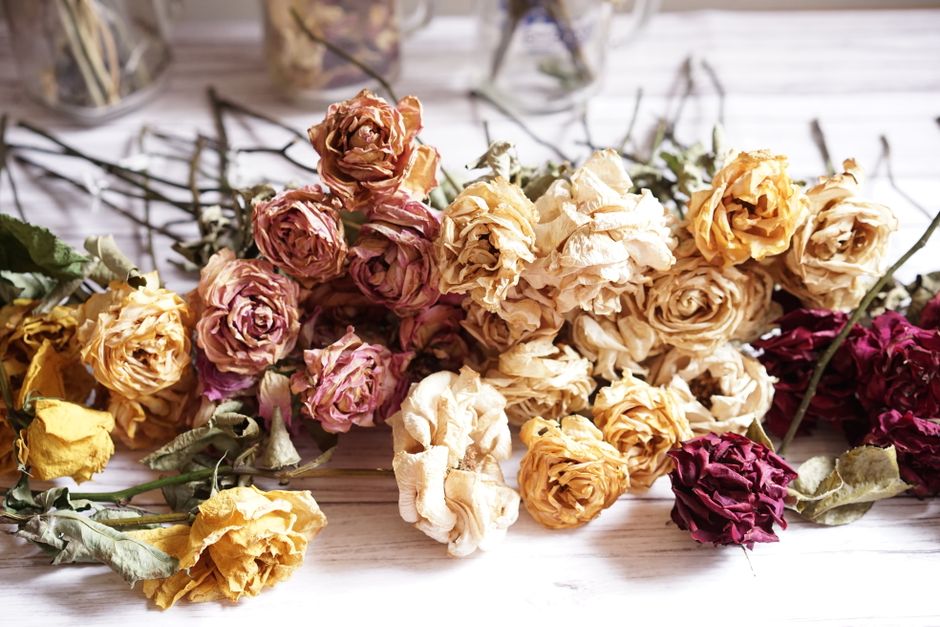
Table of Contents
- Why this matters
- How flower preservation works
- Benefits and practical advantages
- Who this is for
- Step-by-step guidance
- Expert tips for better results
- Common mistakes to avoid
- Tools, resources and recommendations
- Law, compliance and best practice
- Methods compared
- Case study example
- Practical checklist
- Conclusion
- Frequently asked questions
Why Step by Step Guide to Preserving Wedding Flowers for Keepsakes Matters
Wedding flowers are one of those details that carry a surprising amount of emotion. You notice them in the background of photos, on the registrar table, in your hands while you are saying your vows, and then suddenly they are part of the day you never want to forget. Preserving them gives that feeling a longer life. Not forever, let's be honest, but long enough to hold meaning.
It matters because flowers are temporary by nature. That is exactly why they feel special. A preserved bouquet becomes more than decoration; it becomes a reminder of a moment, a place, a person, or a promise. For many couples, especially if there were family flowers, heirloom pieces, or a bouquet chosen very carefully, the emotional value is far greater than the material value.
There is also a practical side. If you preserve the flowers properly, you can create something displayable instead of storing a box of brittle petals in the loft and hoping for the best. A well-preserved arrangement can sit on a shelf, hang on a wall, or live in a frame where you will actually see it. And that is the whole point, really.
In our experience, the people happiest with their keepsakes are the ones who decide early what they want the final result to look like. They are not trying to rescue flowers after a week of warm weather and champagne glasses. They are planning the outcome while the blooms are still fresh and slightly dewy. That small head start makes a big difference.
How Step by Step Guide to Preserving Wedding Flowers for Keepsakes Works
Flower preservation works by removing moisture slowly or by stabilising the blooms in a medium that protects their shape. Fresh flowers naturally begin to wilt as soon as they are cut, so the core job is to reduce decay before the petals collapse or discolour. Depending on the method, that might mean air drying, pressing, using silica gel, sealing in resin, or sending the flowers to a specialist who works with dried or embedded keepsakes.
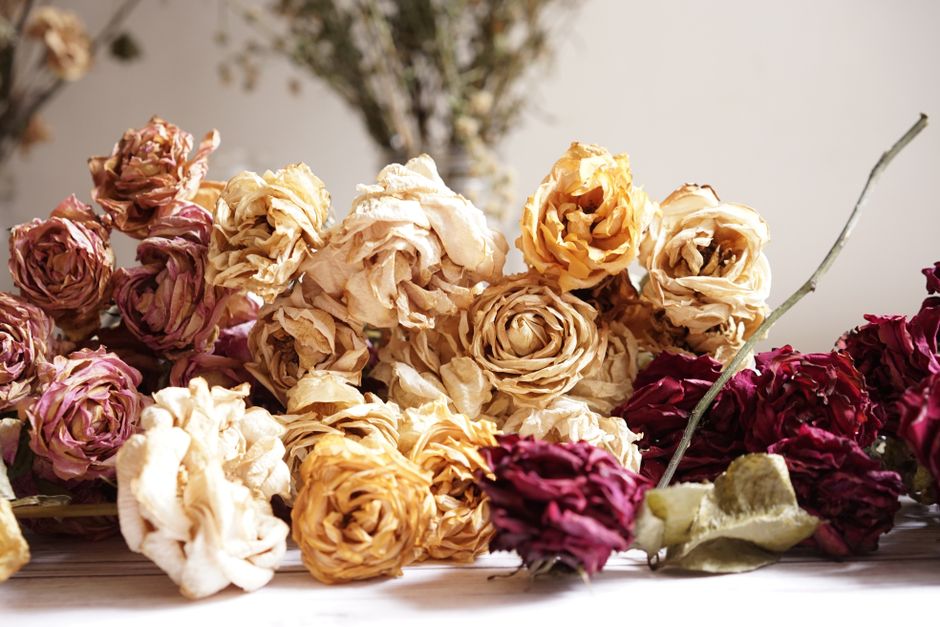
Different flowers behave differently. Roses, carnations, and many small focal blooms usually dry more predictably than very delicate petals. Hydrangeas can be lovely preserved, but they are also a bit dramatic about humidity. Garden roses look beautiful dried, though some browning is normal. The more tightly packed or moisture-rich the flower, the more carefully it needs handling.
Timing matters more than people expect. Ideally, flowers should be stored in a cool place soon after the wedding and preserved within 24 to 48 hours if possible. If you cannot manage that, keep them in clean water and out of direct sun or heat until you are ready. A warm kitchen counter near the oven? Not ideal. A cool room away from windows? Much better.
The process also depends on your end goal. Pressing gives flat pieces that work well in frames or cards. Air drying gives a vintage, slightly rustic result. Silica gel preserves more shape and colour, especially for fuller flowers. Resin creates a glossy, lasting keepsake, but it requires fully dried flowers or carefully prepared blooms. There is no magic trick here, just matching the method to the bloom and the look you want.
Key Benefits and Practical Advantages
Preserving wedding flowers is about more than sentiment, though sentiment does carry the whole thing quite nicely. There are some genuinely practical advantages too.
- It turns something temporary into a lasting keepsake. That is the obvious benefit, but it is also the biggest one.
- It helps you remember specific details. Colours, ribbon choices, seasonal flowers, and even the shape of the bouquet all come back when you see the finished piece.
- It can fit your home style. A framed bouquet or resin block can feel modern, classic, or very personal depending on the finish.
- It can honour family connections. If blooms were chosen for a reason, or carried in memory of someone, preservation makes that meaning visible.
- It avoids waste. Instead of throwing the flowers away after two days of fading, you give them a second life. That feels good, and fairly sensible too.
There is also a quieter advantage: preserved flowers become a kind of emotional anchor. You may not think about them every day, but when you do, the whole atmosphere of the wedding comes rushing back. The smell of the bouquet may not survive, but the memory absolutely does.
Who This Is For and When It Makes Sense
This is for anyone who wants to keep part of their wedding day in a physical form. That includes brides, grooms, civil partners, same-sex couples, parents who want to save a boutonniere or corsage, and families who want a memento from a ceremony or reception. It also makes sense if your flowers had a particularly personal story behind them.
You may especially want to preserve flowers if:
- you chose seasonal blooms and want to remember them later
- your bouquet was handmade or custom designed
- you included memorial flowers
- you had a smaller wedding and want a meaningful keepsake rather than lots of decor
- you want a gift for a partner, parent, or close relative after the event
It is also worth thinking about if you are the sort of person who likes keepsakes that earn their place. Some people keep every ribbon and napkin; others want just one strong reminder of the day. If you are the second type, a preserved bouquet can be perfect. If you are the first, well, you may need a bigger shelf.
Couples who ordered from wedding collections or chose matching pieces such as bridesmaid bouquets and wedding corsages sometimes preserve a small part of each item as a family of keepsakes. That can create a beautiful little set, especially if you want to frame pieces together.
Step-by-Step Guidance
Here is the practical part. You do not need to be a florist or a craft expert, but you do need to be methodical. Preservation is a bit like making tea properly: the details are simple, yet somehow they matter.
1. Decide what you want to keep
Start by choosing the flowers or parts of the arrangement that matter most. You might preserve the full bridal bouquet, a few focal blooms, bridesmaid flowers, buttonholes, or petals only. If the bouquet is large, it may be best to keep the most meaningful flowers rather than forcing the whole arrangement into one method.
Ask yourself one simple question: do I want a full 3D keepsake, or a flat keepsake I can frame? That answer narrows everything down.
2. Handle the flowers gently right after the wedding
Once the ceremony and photos are over, put the flowers somewhere cool and safe. Remove obvious damaged leaves, but do not strip everything. Keep stems intact if you plan to air dry them. If the bouquet is tied tightly, leave it bound until you are ready to preserve it.
Do not leave the flowers in a hot car boot, near a radiator, or under bright sun. A few hours like that can make a noticeable difference. You will notice wilting, browning edges, and petals getting limp rather quickly. Not ideal.
3. Choose your preservation method
Match the flowers and your goal to the method. A simple guide is below, but keep in mind that no method is perfect for every bloom.
| Method | Best for | Look and feel | Main trade-off |
|---|---|---|---|
| Air drying | Roses, hardy blooms, rustic designs | Vintage, muted, naturally textured | More colour loss and some shrinking |
| Pressing | Flat flowers, petals, small blossoms | Elegant, slim, frame-ready | Not suitable for full 3D bouquets |
| Silica gel drying | Fuller flowers, better shape retention | Closer to original form | Requires careful handling and drying time |
| Resin preservation | Individual flowers or fully dried blooms | Glossy, modern, display-focused | Needs patience and well-dried flowers |
| Professional preservation | Sentimental bouquets, complex arrangements | Depends on the specialist method | Usually higher cost and longer turnaround |
4. Prepare the flowers properly
Trim stems if needed, remove excess leaves, and separate flowers that need different treatment. For pressing, gently flatten the blooms between absorbent paper. For air drying, tie stems together loosely and hang them upside down in a dry, dark, airy space. For silica gel, place blooms in a container and cover them gradually so the petals hold their shape.
For resin, the flowers must be very dry. Any lingering moisture can cloud the finish or create problems later. That is one of those annoying small things that can spoil a lot of effort.
5. Let the flowers dry or set fully
Do not rush this. Air drying can take one to three weeks depending on the flower type and room conditions. Pressing may take one to three weeks as well. Silica gel can work faster, but the exact timing depends on bloom size and moisture content. Resin projects can take much longer, because the flowers need to be dry and the resin itself must cure properly.
This is where patience pays off. If you open things too soon, flowers may bend, mould, or lose shape. A slightly boring wait is usually better than a ruined keepsake.
6. Assemble or display the keepsake
Once preserved, you can frame the flowers, place them in a shadow box, set them in resin, or arrange them in a display dome. If you are doing the work yourself, use clean hands and acid-free materials where possible. If you are sending flowers to a specialist, ask how they want the bouquet packaged and whether they prefer a fresh bouquet, a partially dried one, or selected blooms only.
The best display is the one you will actually enjoy looking at. A keepsake tucked away in a drawer is lovely in theory, but visible on a wall? Much more satisfying.
7. Store the finished keepsake correctly
Preserved flowers still need care. Keep them out of direct sunlight to reduce fading. Avoid damp rooms if possible. Do not place dried flowers right next to a heat source or in a steamy bathroom. If the flowers are in resin or sealed glass, dust the outside regularly rather than touching the flowers themselves.
That last bit sounds obvious, but people do like to poke things. Understandable, really.
Expert Tips for Better Results
There are a few small things that make a big difference, and these are the kind of details that often separate a good keepsake from a disappointing one.
- Preserve the bouquet while it is still fresh. The fresher the flowers, the better the final result.
- Choose robust blooms if possible. Roses, carnations, lisianthus, and some orchids often behave better than very delicate flowers.
- Keep sentimental blooms separate. If one flower matters more than the rest, preserve it on its own rather than risk the entire bouquet.
- Test your method on a spare stem. If you are trying a DIY approach, a small trial can save heartbreak.
- Use the right setting. Dry, dark, and stable temperatures are your friends.
- Think about the final frame or mount first. A lot of people preserve flowers beautifully and only later realise the arrangement does not fit their chosen display.
If you are choosing flowers in advance and already know you want to preserve them, it helps to pick varieties that work well in both fresh and dried form. A florist can often suggest stems that hold colour and shape a little better. That does not guarantee perfection, of course. Flowers are flowers, not cardboard. But it improves your chances.
Another small tip: photograph the bouquet before and after preservation. The comparison is oddly satisfying, and it gives you a record of the exact arrangement if you ever want to recreate it in another format later.
Common Mistakes to Avoid
Most preservation problems happen because the flowers were handled too late or stored badly before drying started. That is the short version. The slightly longer version is below.
- Waiting too long. Freshness fades fast after the wedding, especially in warm weather.
- Using flowers that are already damaged. Bruised petals often get worse once dried.
- Leaving flowers in water for too long. Fresh water helps for a short period, but not indefinitely.
- Trying to preserve everything. Sometimes less is more. A small selection can look better than an overstuffed piece.
- Using too much heat. Heat can darken petals and make them brittle.
- Ignoring humidity. Moist rooms lead to mould, softening, or a cloudy finish in resin.
- Handling dried blooms too much. They are fragile, even when they look sturdy.
A common regret is trying to DIY a full bouquet in resin without preparing the flowers well enough. Resin can be stunning, but it is not forgiving. If a bloom is still damp, the whole project can go wrong. That is a tricky one to learn the hard way.
Tools, Resources and Recommendations
You do not need a workshop full of kit, but a few practical items make the process much easier. Whether you go DIY or professional, here is what helps.
- Clean scissors or floral snips for trimming stems neatly
- Acid-free paper for pressing petals and blooms
- Heavy books or a flower press if you are pressing at home
- String or twine for air drying
- A dark, dry room with good airflow
- Silica gel if you want to keep more shape in the flowers
- Gloves for handling delicate or resin-prepped flowers
- Shadow boxes, frames, or display cases for finished keepsakes
If you want a simpler route, professional preservation can reduce stress, especially after a busy wedding week when you are already juggling gifts, thank-you notes, and probably a mountain of laundry. Many couples choose to buy a smaller fresh arrangement for the wedding flowers and preserve only selected stems, which makes the project more manageable. If you are still planning the broader floral look, browsing styles like luxury flowers or flower garland can help you think about what kinds of shapes and textures may preserve well.
For wedding-day extras that may also become keepsakes, wedding gifts can be a thoughtful accompaniment, especially if you are creating a memory box rather than a single floral display.
Law, Compliance, Standards, or Best Practice
For most couples, preserving wedding flowers is a personal craft matter rather than a legal one. There are no special regulations about drying a bouquet in your home or framing petals for display. That said, good practice still matters, especially if you are paying a professional or shipping flowers to a preservation specialist.
Here are a few sensible standards to keep in mind:
- Use clear service terms. If a preservation provider is involved, you should understand the expected turnaround time, what happens if flowers arrive damaged, and whether the quoted service includes framing or only drying.
- Check packaging guidance. Fresh flowers can be very sensitive to transit. Follow the provider's instructions carefully so blooms do not arrive overheated or crushed.
- Be cautious with sentimental value. If a bouquet is irreplaceable, ask questions before posting it anywhere. That is just common sense, but worth saying out loud.
- Respect home safety. If you are using adhesives, resins, or tools, work in a ventilated space and follow the manufacturer's instructions.
In the UK, many preservation jobs are simply a matter of careful handling and consumer clarity. If you are commissioning a finished piece, you should know what you are paying for and what result to expect. A reputable service should be honest about colour change, flower shrinkage, and the fact that preserved flowers do not stay identical to their fresh form. They are preserved, not paused in time. Close, but not magical.
Options, Methods, or Comparison Table
If you are choosing between methods, it helps to compare the result you want against the time and effort you can realistically give it. Below is a straightforward comparison.
| Method | Best for | Pros | Cons |
|---|---|---|---|
| Air drying | Simple rustic keepsakes | Low cost, minimal equipment, easy to do at home | Colour fade, petal shrinkage, less detail retention |
| Pressing | Framed or scrapbook keepsakes | Elegant, neat, excellent for flat displays | Not suitable for full bouquets |
| Silica gel | More realistic 3D preservation | Better shape retention, often more vivid colour | Needs care, materials, and time |
| Resin | Modern display pieces | Durable, polished finish, very giftable | Hard to fix mistakes, flowers must be fully dry |
| Professional service | High-value or delicate bouquets | Less stress, more specialised finish | Cost, turnaround time, less DIY control |
If you want something simple and romantic, pressing is often underrated. If you want shape and fullness, silica gel or a specialist service may be better. And if you simply want a little section of the bouquet to frame beside the invitation or vow card, a compact arrangement may be the most meaningful of all.
Case Study or Real-World Example
A bride and groom in a small spring ceremony kept a handful of blooms from the bouquet after the reception: two roses, some lisianthus, and a sprig of greenery. The bouquet itself had been chosen to match a soft, airy feel, and the flowers were tucked into water straight after the evening meal while the couple finished photos. The next morning, one rose was set aside for pressing and another for air drying. The greens were kept out of the frame because, to be fair, they were already starting to droop.
Three weeks later, the pressed flowers were mounted inside a simple cream frame with the vow card behind them. The dried rose was kept as a separate miniature keepsake in a glass cloche. Nothing fancy. But it worked. The couple later said the pressed frame felt especially meaningful because it sat beside their wedding album, and it was the first thing they saw when coming downstairs on a grey weekday morning. That is the sort of real-world value people want: not perfection, but something that quietly lasts.
The lesson here is simple. You do not always need to preserve the entire bouquet to preserve the feeling. Sometimes a few well-chosen stems tell the story better than the full arrangement ever could.
Practical Checklist
Use this checklist on the day or the day after the wedding so nothing slips through the cracks.
- Choose which flowers or stems you want to keep
- Decide whether you want a flat, 3D, framed, or resin keepsake
- Store flowers in a cool, dry place as soon as possible
- Remove only damaged leaves and obvious debris
- Pick the preservation method that suits the flower type
- Prepare tools, paper, containers, or display materials in advance
- Let the flowers dry or set fully before assembly
- Use acid-free materials where possible for framed pieces
- Keep the finished keepsake away from direct sunlight and damp
- Take a photo of the preserved piece once complete
That last one is underrated. Once the keepsake is finished, you will probably forget exactly how it looked on the day. A photo helps, and it is a nice little record in its own right.
Conclusion
Preserving wedding flowers for keepsakes is one of those simple ideas that ends up meaning far more than expected. The process is not complicated, but it does reward care, timing, and a bit of patience. If you choose the right flowers, handle them gently, and match the method to the final look you want, you can create something that feels personal rather than decorative for decoration's sake.
The best outcome is usually the one that suits your home, your memories, and the pace of your life. A framed petal arrangement, a dried bouquet, a resin piece, or a small pressed reminder can all work beautifully. What matters is that it feels true to the day.
If you are planning your wedding flowers now and want to make sure the arrangement suits preservation later, it is worth thinking ahead while you choose your blooms. A small bit of foresight now can save a lot of disappointment later, and it makes the keepsake feel even more intentional.
Get a free quote today and see how much you can save.
Sometimes the smallest preserved flower becomes the thing you treasure most. Funny how that works, really.
Frequently Asked Questions
How soon should I preserve wedding flowers after the ceremony?
As soon as you reasonably can, ideally within 24 to 48 hours. Fresh flowers preserve better, and the petals are less likely to wilt, bruise, or discolour if you act quickly.
What is the easiest method for beginners?
Air drying is usually the simplest DIY method because it needs very little equipment. Pressing is also beginner-friendly if you want a flat keepsake for a frame or scrapbook.
Can I preserve my whole bridal bouquet?
Yes, but the success depends on the flower types, bouquet size, and method. Large bouquets are often easier to preserve by selecting a few key blooms rather than every stem.
Which flowers preserve the best?
Roses, carnations, lisianthus, chrysanthemums, and some orchids often preserve fairly well. Very delicate or moisture-heavy flowers can be more unpredictable.
Will preserved wedding flowers keep their colour?
Some colour change is normal. Darker tones usually hold better than very pale or very bright shades, though the exact result depends on the method and the flower type.
How long do preserved flowers last?
With careful storage, dried or preserved flowers can last for years. Sunlight, damp, and rough handling shorten their lifespan, so display and storage conditions matter a lot.
Is resin the best option for wedding flower keepsakes?
Resin can be beautiful, but it is not always the best option for every flower. It works best with fully dried flowers and careful preparation. If the flowers are damp, resin can trap moisture and spoil the finish.
Can I preserve petals instead of the whole bouquet?
Absolutely. Petals are often easier to press or place in resin, and they can still carry a lot of sentimental meaning. This is a good option if you want something small and elegant.
How much does professional flower preservation usually cost?
Costs vary depending on the method, size of the piece, and whether framing or resin finishing is included. It is best to ask for a clear quote and check exactly what the service covers before committing.
What should I do if my flowers start wilting before I can preserve them?
Move them to a cool place, trim the stems if needed, and keep them away from heat and direct sunlight. If petals are already collapsing, it may be better to preserve selected blooms rather than the full arrangement.
Can preserved flowers be displayed in a bathroom or kitchen?
That is not ideal. Damp or steamy rooms can damage dried flowers over time. A dry hallway, bedroom, or study is usually a much safer choice.
Do I need special materials for a framed flower keepsake?
Not always, but acid-free paper and mounting materials are strongly recommended if you want the keepsake to last. They help prevent staining and deterioration over time.
Should I preserve the bouquet myself or use a specialist?
If the bouquet is highly sentimental, expensive, or particularly delicate, a specialist may be worth it. If you want a simple keepsake and enjoy crafting, DIY can be rewarding and very personal.
What is the biggest mistake people make with wedding flower preservation?
Waiting too long. Freshness is everything. The second biggest mistake is choosing a method that does not suit the flower type or the final look they actually want.