DIY bouquets versus florist made flowers pros and cons UK
Posted on 12/10/2026
Choosing between DIY bouquets and florist made flowers can feel simple at first, then suddenly it gets messy. Do you save money and make something personal, or pay for the polish, reliability, and calm that comes with a professional florist? In the UK, that decision often depends on the occasion, your budget, your timing, and how much stress you want on the day itself. This guide breaks down DIY bouquets versus florist made flowers pros and cons UK in plain English, so you can decide with confidence rather than guesswork.
Truth be told, there is no one-size-fits-all answer. A hand-tied bouquet made at home can be lovely, especially for a relaxed gift or a small celebration. A florist-made arrangement, on the other hand, often brings structure, balance, and longer-lasting presentation. We will look at both sides properly, from cost and quality to timing, tools, delivery, and the little details people usually only think about at the last minute.
By the end, you should know which option suits your situation, what to avoid, and how to get the best result either way.
Why DIY bouquets versus florist made flowers pros and cons UK Matters
The choice matters because flowers are rarely just flowers. In the UK, they show up for birthdays, weddings, anniversaries, sympathy gestures, thank-yous, and those awkward moments when you need to say something kind without making a speech. A bouquet can set the tone of the whole event, which is why the DIY route versus a florist-made route is more than a simple shopping decision.
If you are planning something modest, such as a kitchen-table birthday surprise or a casual weekend gesture, a DIY bouquet may be enough. But if you are dealing with a wedding morning, a funeral tribute, or a delivery that has to look immaculate on arrival, a florist often offers reassurance that is hard to beat. That calm, professional finish can matter more than people expect. Let's face it, when a vase is wobbling and the ribbon keeps slipping, the bargain starts to look less exciting.
It also matters because flower buying in the UK is shaped by practical realities: weather, seasonality, transport, and delivery timing. Summer heat can wilt stems quickly. Winter travel can delay deliveries. A florist understands these headaches and usually plans for them. A DIY buyer has to handle them personally, which is fine if you enjoy the process. Less fine if you do not.
So the real question is not simply "which is cheaper?" It is: what matters most for this occasion-price, appearance, speed, flexibility, or peace of mind?
How DIY bouquets versus florist made flowers Works
DIY bouquets are typically built from flowers you source yourself, either from a supermarket, market stall, wholesaler, grower, or an online stem order. You then trim, condition, arrange, and finish the bouquet at home. Sometimes the result is charming and natural-looking. Sometimes it looks like five different ideas happened at once. That happens.
Florist made flowers work differently. A florist selects stems with the final arrangement in mind, checks freshness, removes weak material, shapes the bouquet, and finishes it for presentation or delivery. Good florists also think about the occasion, the recipient, and how the flowers will travel. If the bouquet needs to look elegant in a hallway, sit safely in a box, or stand upright at a venue, that is factored in from the start.
In practical terms, the biggest difference is control. DIY gives you control over every stem, but also puts every decision on your shoulders. Florist-made flowers reduce your workload and usually improve consistency. That trade-off is the heart of the debate.
For example, if you are making your own bouquet at home on a Saturday morning, you will need to condition the flowers first, use sharp scissors or secateurs, remove leaves below the waterline, and choose a vase or wrap. If you order from a florist, much of that is handled already, and the bouquet arrives ready to display or present. Small detail, huge difference.
Key Benefits and Practical Advantages
Both options have real strengths. The best choice depends on what you value most.
Why DIY bouquets appeal
- Lower upfront spend in many cases, especially if you already have tools or can buy seasonal stems sensibly.
- Creative freedom to choose colours, flowers, and wrapping without compromise.
- Personal touch that feels handmade and heartfelt, which suits informal gifting nicely.
- Flexibility if you want to experiment with shape, size, or styling at home.
Why florist-made flowers appeal
- Professional finish with better balance, proportion, and presentation.
- Convenience because the arranging, conditioning, and often delivery are handled for you.
- Better reliability for important dates, time-sensitive occasions, and more delicate designs.
- Specialist knowledge on seasonal flowers, vase life, scent, and suitability for the event.
The practical advantage often comes down to time. A DIY bouquet may be cheaper, but not if you spend three hours on it, buy the wrong stems, and then have to redo half of it. A florist bouquet can look more expensive, but sometimes the value is in not having to think about it again.
For a quick celebration, a ready-made option such as best-selling flower arrangements can be a sensible middle ground if you want something proven rather than experimental. And if you are planning a fuller floral moment, a florist-led option like wedding flowers shows how much design and coordination a professional can bring to the table.
Who This Is For and When It Makes Sense
The DIY route tends to suit people who enjoy making things, have a decent eye for colour, and do not mind a bit of trial and error. It works well for low-pressure occasions, table arrangements at home, or when you want the experience itself to be part of the fun. Some people genuinely love the process. They like the smell of fresh stems on the counter and the slow, slightly fussy rhythm of trimming and tying. Fair enough.
Florist-made flowers make more sense when the stakes are higher. Think weddings, formal gifts, sympathy flowers, corporate receptions, or any situation where the bouquet has to look polished and arrive on time. If you are short on time, not confident with arranging, or buying for someone with strong expectations, a florist is usually the safer call.
This also matters if you are ordering flowers for delivery across the UK. A florist may offer better handling and presentation, especially if the recipient will not be home immediately. If your arrangement needs to travel, a professional service such as flower delivery in Ware can remove a lot of the uncertainty.
A useful rule of thumb: DIY is often best for personal, informal, or exploratory use. Florist-made is often best for important, visible, or time-sensitive use. Not always, but often enough to be worth saying plainly.
Step-by-Step Guidance
If you are still weighing the two options, it helps to think through the process rather than the product alone.
- Define the occasion. A birthday bouquet and a sympathy spray do not carry the same expectations, and that changes everything.
- Set your real budget. Include not just flowers, but ribbon, wrap, vase, delivery, and the occasional "oh no, I need more stems" purchase.
- Check your timing. If you need flowers today, DIY is only sensible if you already have access to good stems and enough preparation time.
- Think about presentation. Do you need a loose, garden-style bunch or a fully finished arrangement?
- Assess your skill and patience. Be honest here. If arranging flowers frustrates you, that will show.
- Choose the route that fits the result. If the flowers are a backdrop to a bigger event, florist-made often wins. If the making itself is part of the gift, DIY may be ideal.
If you do choose DIY, start with sturdy, forgiving flowers and keep the design simple. If you choose a florist, use the brief clearly: colour palette, occasion, size, scent level, and any practical concerns such as allergens or delivery timing. Good communication saves a lot of bother.
A small but useful tip: if you are buying for a recipient who loves a clean, elegant look, consider a florist-made bouquet or a ready-to-go vase arrangement like flowers in a vase. It removes the "where do I put these right now?" problem, which, honestly, is underrated.
Expert Tips for Better Results
Here is where small details make a proper difference. The nice thing about flowers is that the little things are visible. One bent stem can drag down the whole shape. One thoughtful colour shift can lift it completely.
- Buy in season where possible. Seasonal blooms usually give better value and a more natural look.
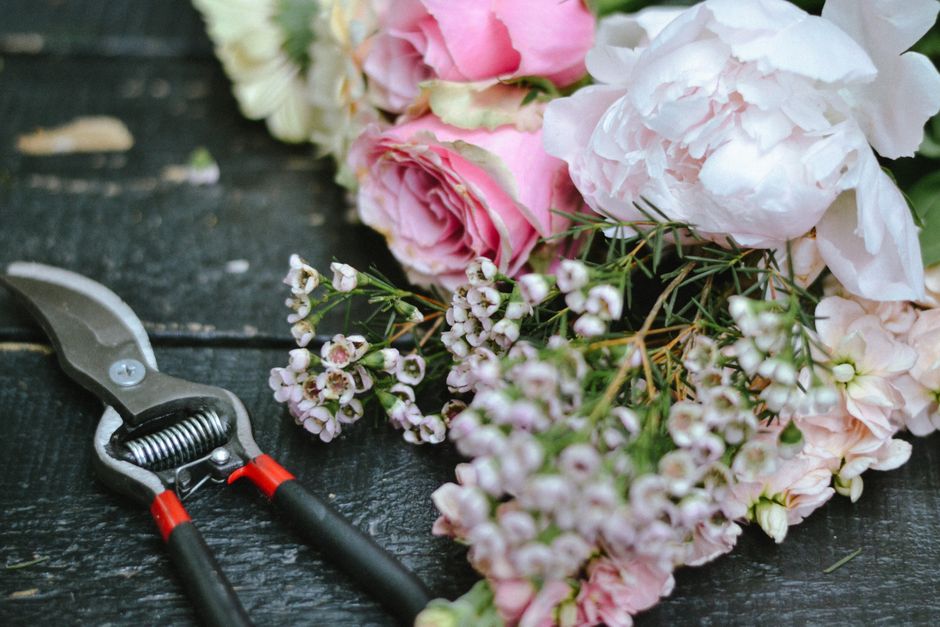
- Use sharp tools. Blunt scissors crush stems and shorten vase life. Proper snips matter more than people think.
- Condition flowers before arranging. Fresh water, clean vases, and a short rest period can improve the result.
- Work in odd numbers. In floral design, odd groupings often look more natural and less forced.
- Keep foliage below the waterline out of the vase. It helps the arrangement stay fresher and cleaner.
- Match stem strength to occasion. Robust flowers are better for DIY; delicate stems may need professional handling.
If you want a florist-style finish at home, do not overcrowd the bouquet. People often add "just one more stem" and suddenly the shape loses its breathing space. Give it room. Flowers need a bit of room, same as people after a long day on the Tube.
Also, do not underestimate packaging. A simple wrap, ribbon, or vase can change the feel completely. Even a modest bouquet can look premium with careful finishing.
Common Mistakes to Avoid
Most disappointments come from the same handful of mistakes. The good news is they are all avoidable.
- Choosing flowers that are too delicate for your skill level. Some blooms are forgiving; some are not.
- Ignoring timing. Buying flowers too early can leave you with drooping stems on the day.
- Overcomplicating the design. A simpler bouquet often looks better than an ambitious one that goes sideways halfway through.
- Forgetting the recipient's style. Bright and bold is lovely for some people, too much for others.
- Skipping water and conditioning. Pretty flowers can look tired very quickly if handled badly.
- Assuming a cheaper DIY is always better value. Sometimes the hidden cost is time, frustration, and waste.
One quiet mistake people make is buying flowers they personally like rather than flowers that suit the moment. A dramatic mix may be gorgeous for a living room, but not ideal for a sympathy gesture. Context matters. A lot.
Another easy slip is ignoring delivery risk. If you need flowers sent somewhere, a florist may be the wiser choice, especially for a deadline. A bouquet that looks wonderful on the counter but turns up late is not really a win.
Tools, Resources and Recommendations
If you are going DIY, the right tools make the job easier and the result better. You do not need a professional studio setup, but a few basics help more than fancy wrapping paper ever will.
- Sharp scissors or floral snips for clean stem cuts.
- Clean vase or bucket for conditioning and display.
- Flower food if available, especially for bouquets that need to last.
- Ribbon, string, or floral tape for finishing.
- Plain wrapping paper for presentation if you are gifting the bouquet.
For care advice after purchase, a florist's guidance page such as flower care advice is worth checking because vase life can change quite a bit depending on the bloom type. And if you are ordering a gift but want a budget-conscious option, affordable flowers in Ware can help you stay within budget without sacrificing the basic presentation.
If you are sending flowers for a specific occasion, browsing a relevant collection can save time and reduce second-guessing. For example, a birthday bouquet selection like birthday flowers in Ware is usually easier than starting from scratch, especially when you are shopping on a lunch break or late in the evening.
And if what you really need is a florist who can simply take the brief and handle the rest, a local florist in Ware is the straightforward route. Sometimes simple really is best.
Law, Compliance, Standards, or Best Practice
For most buyers, this topic is less about strict law and more about good practice. Still, a few common-sense points matter in the UK.
If you are buying flowers for a business, venue, or public-facing event, consistency and presentation become part of your brand impression. In that context, florist-made flowers can reduce risk because they are usually easier to standardise. That matters for receptions, client gifts, and recurring orders.
If you are arranging flowers for weddings or funerals, it is sensible to confirm timings, venue access, and delivery expectations clearly. Venues can be strict about drop-off windows, and funeral services may have fixed schedules. A florist used to working in these settings will normally understand the rhythm and the pressure.
For home use, the main best practice is safe handling and freshness: keep stems clean, trim them properly, change the water, and avoid placing flowers near heat sources or fruit bowls. Not glamorous, but effective.
There are also general consumer expectations worth remembering. If you order a product from a florist, you should expect the arrangement to reflect the style described, within the normal variation of seasonal flowers. In other words, exact bloom-by-bloom duplication is rarely realistic, but the overall look should match the promise. If you ever need to query an issue, sensible service pages such as guarantees and returns and refund information are the kind of pages a careful customer checks before placing an order.
Finally, if sustainability matters to you, it is worth looking at where your flowers are sourced from and how they are packaged. Some buyers care deeply about that; others less so. Either way, it is a valid part of the decision.
Options, Methods, or Comparison Table
Here is a practical comparison of DIY bouquets and florist made flowers in a UK context.
| Factor | DIY bouquets | Florist-made flowers |
|---|---|---|
| Cost | Often lower upfront, especially for simple arrangements | Usually higher, but includes expertise, preparation, and presentation |
| Time | Requires sourcing, prepping, and arranging | Saves time and reduces planning effort |
| Skill needed | Moderate to high, depending on style | Minimal from the buyer's side |
| Presentation | Can be lovely, but depends on your eye and experience | Typically more polished and consistent |
| Reliability | Depends on your sourcing and handling | Usually better for deadlines and formal occasions |
| Personal touch | Very high, because you build it yourself | High when the florist takes a thoughtful brief |
| Best for | Informal gifting, learning, creative projects, small home arrangements | Weddings, funerals, birthdays, corporate events, deliveries |
There is also a middle path. You can buy from a florist but choose a simple, budget-friendly style, or pick a ready-made arrangement rather than a custom design. That often gives you better value than trying to recreate a florist finish from scratch. A compact option like a hand-tied bouquet can be a smart compromise when you want impact without fuss.
Case Study or Real-World Example
Imagine two people buying flowers for the same Friday evening anniversary.
One decides to make a bouquet at home. They pick mixed stems from a few places, spend time conditioning them, trim and re-trim the ends, try three different arrangements, and eventually end up with something cheerful and personal. It looks lovely on the table. The process is part of the gift, and they enjoy that. A bit messy at the start, yes, but in a good way.
The other orders from a florist. They choose a style, leave a short note about favourite colours, and arrange delivery for the afternoon. The bouquet arrives polished, balanced, and ready to give. No last-minute stress, no guessing, no panic about whether the ribbon matches the room. For them, that is worth the extra spend.
Both people end up happy, but for different reasons. That is the point. The better option is the one that fits the occasion and the person using it. Not the fanciest one. Not the cheapest one. The right one.
If the recipient is likely to appreciate a more luxurious, designed look, something from a curated range such as luxury flowers may feel more appropriate than a homemade bunch. On the other hand, if the whole joy of the gesture is the making, DIY wins on sentiment every time.
Practical Checklist
Use this quick checklist before deciding.
- Is this for a casual, formal, or emotional occasion?
- Do you need the flowers to arrive at a specific time?
- Are you confident arranging flowers neatly?
- Do you already have tools, wrap, vase, or ribbon?
- Is presentation more important than the making process?
- Would a florist save you meaningful time or stress?
- Are the flowers likely to be handled or transported a lot?
- Do you want a completely personal design, or something tried and tested?
- Does the recipient prefer simple, dramatic, traditional, or modern flowers?
- Have you considered care after delivery or after gifting?
If you answer "yes" to several of the time, stress, or presentation questions, florist-made flowers are probably the better fit. If you answer "yes" to the creativity and personal-touch questions, DIY may be the more satisfying choice. Simple as that.
Conclusion
DIY bouquets versus florist made flowers pros and cons UK comes down to trade-offs, not winners and losers. DIY gives you control, creativity, and often a lower upfront spend. Florist-made flowers give you polish, convenience, and reliability, which can be priceless when the occasion matters and there is no room for "nearly right."
If you want a heartfelt, hands-on project, DIY can be brilliant. If you want a bouquet that feels composed, consistent, and professionally finished, a florist is usually worth it. Most people end up choosing based on the moment, and that is perfectly sensible. There is no shame in either route.
Take a breath, think about the occasion, and pick the option that lets you enjoy the flowers rather than wrestle with them. That, really, is the best outcome.
Get a free quote today and see how much you can save.
Frequently Asked Questions
Are DIY bouquets cheaper than florist made flowers in the UK?
Usually, yes on the face of it, especially for simple arrangements. But the real cost includes your time, extra materials, and the risk of buying stems that do not work together. If you already have tools and a good eye, DIY can be excellent value. If not, a florist may actually feel more economical once everything is considered.
When should I choose a florist instead of making a bouquet myself?
Choose a florist when the occasion is important, the timing is tight, or the arrangement needs to look especially polished. Weddings, funerals, milestone birthdays, and business gifts are all situations where professional handling tends to pay off. If you need a bouquet to arrive looking finished and dependable, florist-made is the safer choice.
What flowers are best for DIY bouquets?
Sturdy, forgiving flowers are usually best for beginners. Blooms with strong stems and decent vase life are easier to work with and less likely to collapse while you arrange them. If you are new to this, keep the design simple and avoid overly delicate stems until you are more confident.
Do florist-made flowers last longer than DIY bouquets?
They often can, because professional florists tend to condition stems carefully and select flowers with the arrangement in mind. That said, vase life depends on the flower type, transport, temperature, and aftercare. A well-made DIY bouquet can last well too if it is handled properly from the start.
Is DIY suitable for wedding flowers?
It can be, but only for couples who are very organised, comfortable arranging flowers, and happy to take on the pressure. For anything large or time-sensitive, florist support is usually wiser. Weddings have enough moving parts already. You do not need to add stem panic to the list.
Can I mix DIY flowers with florist-made flowers?
Yes, and this is often a smart middle ground. You might buy a florist-made focal bouquet and add DIY table flowers at home, or use florist guidance for the main event while handling simpler bits yourself. This can save money while still keeping the key pieces polished.
What is the biggest mistake people make with DIY bouquets?
The biggest mistake is usually overcomplicating the design or skipping proper preparation. Fresh flowers need trimming, clean water, and a sensible structure. People also sometimes buy blooms they love individually, but which do not work together as a bouquet. That part catches a lot of first-timers out.
How far in advance should I buy flowers in the UK?
That depends on the route you choose. If you are making the bouquet yourself, buy as close to the event as practical while still allowing time for conditioning. If you are ordering from a florist, place the order early for busy dates like Mother's Day, Valentine's Day, or wedding season. Leave it too late and choice narrows fast.
Are florist-made flowers worth the extra cost?
For many people, yes. You are paying for design skill, convenience, consistency, and less risk. If the flowers are for a major event or a meaningful gift, that extra cost can buy peace of mind as much as beauty. And that is no small thing.
What should I ask a florist before ordering?
Ask about freshness, delivery timing, style options, care advice, and what happens if something goes wrong. It is also sensible to check whether the bouquet can be made in your preferred colour palette or size. Clear communication upfront usually saves disappointment later.
Can I get a good bouquet on a budget without making it myself?
Absolutely. Budget-friendly florist options can still look thoughtful and tidy if the design is chosen well. Simpler styles, seasonal blooms, and compact arrangements often give good value. You do not have to go full luxury to get something attractive.
What's the best option for a last-minute flower gift?
Usually a florist-made bouquet or a same-day delivery option is best if time is tight. DIY only makes sense last minute if you already have the flowers and the tools ready. Otherwise, you risk rushing the arrangement and ending up with a result that feels more stressful than special.